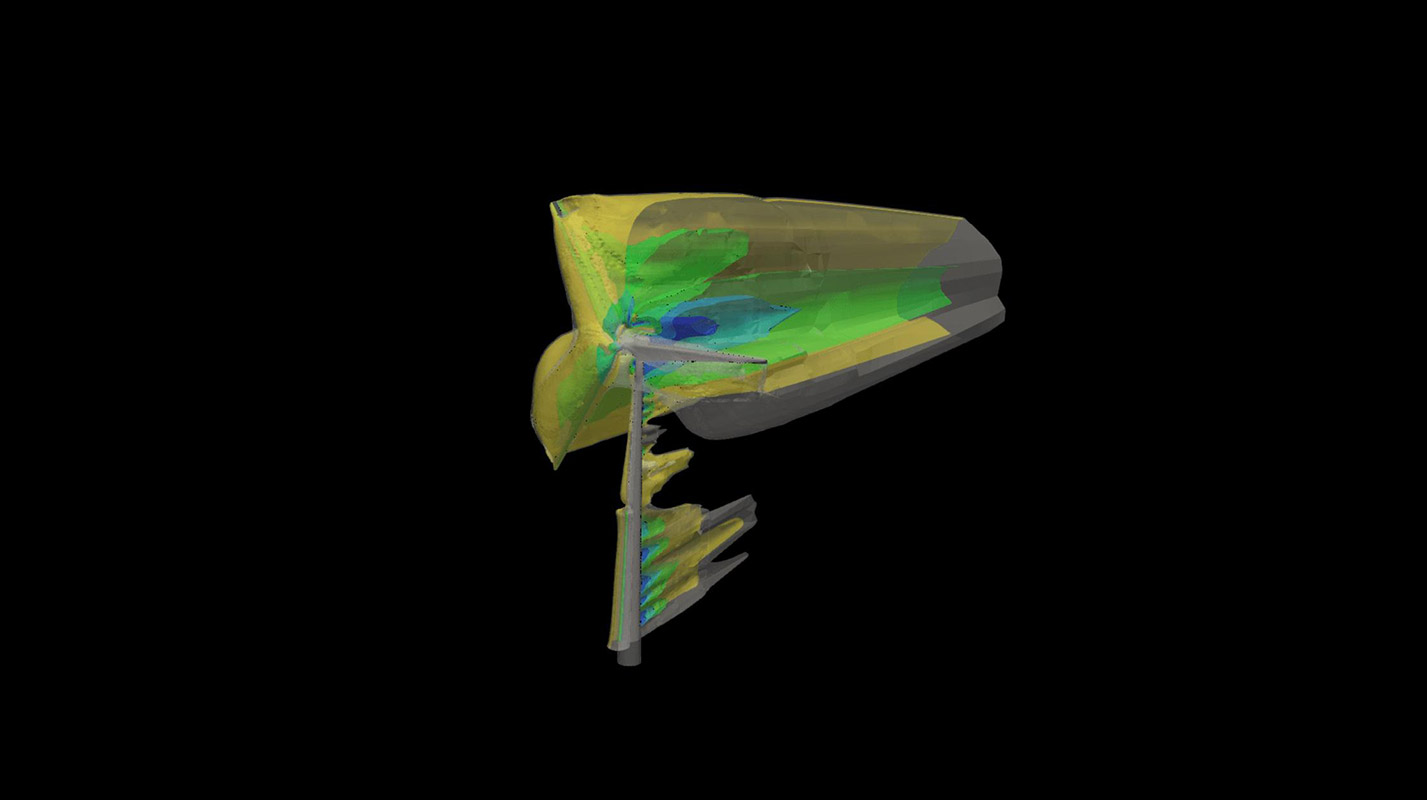
Structural Architecture for +20MW Class Floating Offshore Wind Turbines

Enabling scalable deep-water wind systems through structural reconfiguration and industrial integration.a

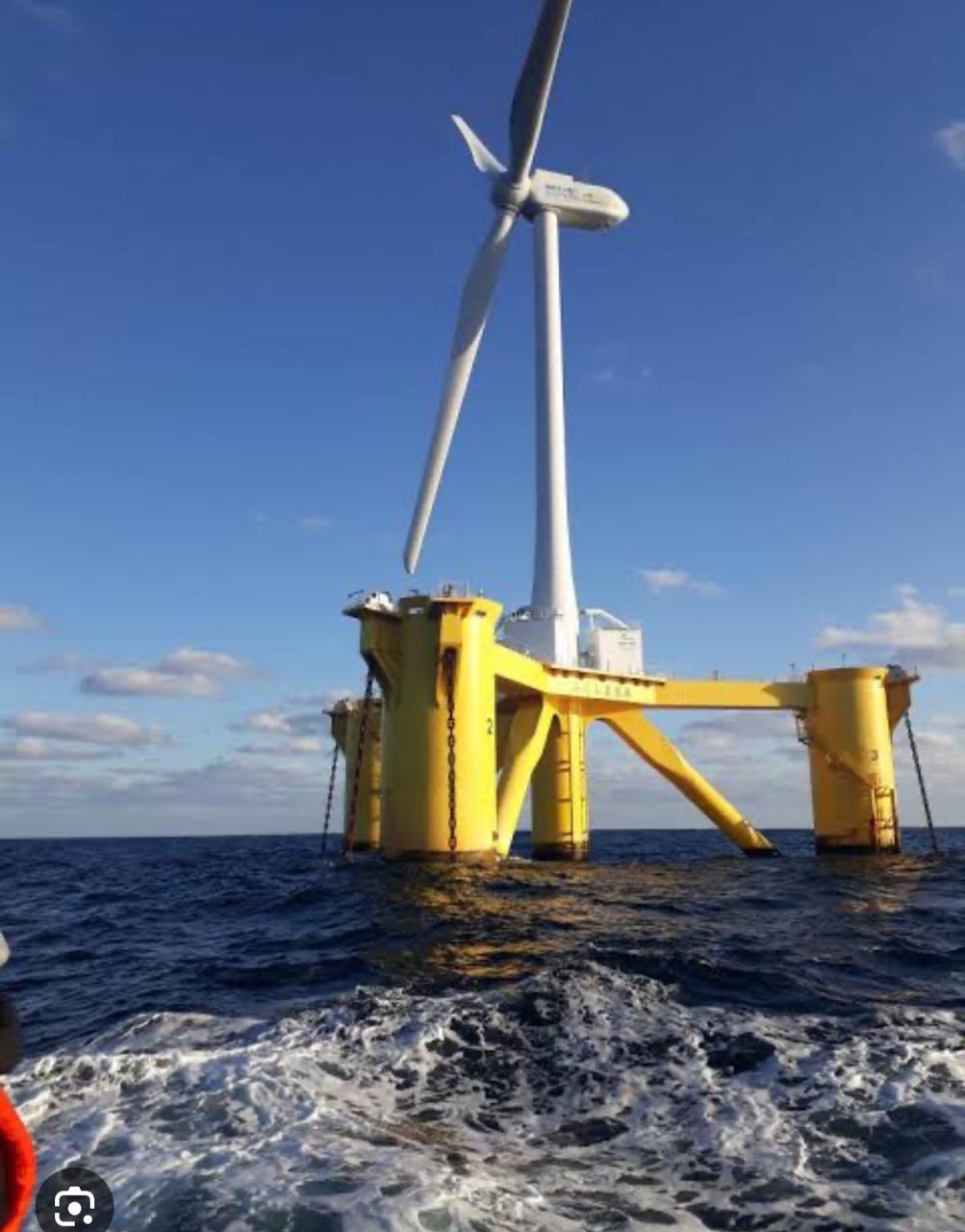
A patent-protected architectural platform engineered to enhance system stability, long-term asset performance and capital efficiency in next-generation floating offshore wind.

The Structural Challenge

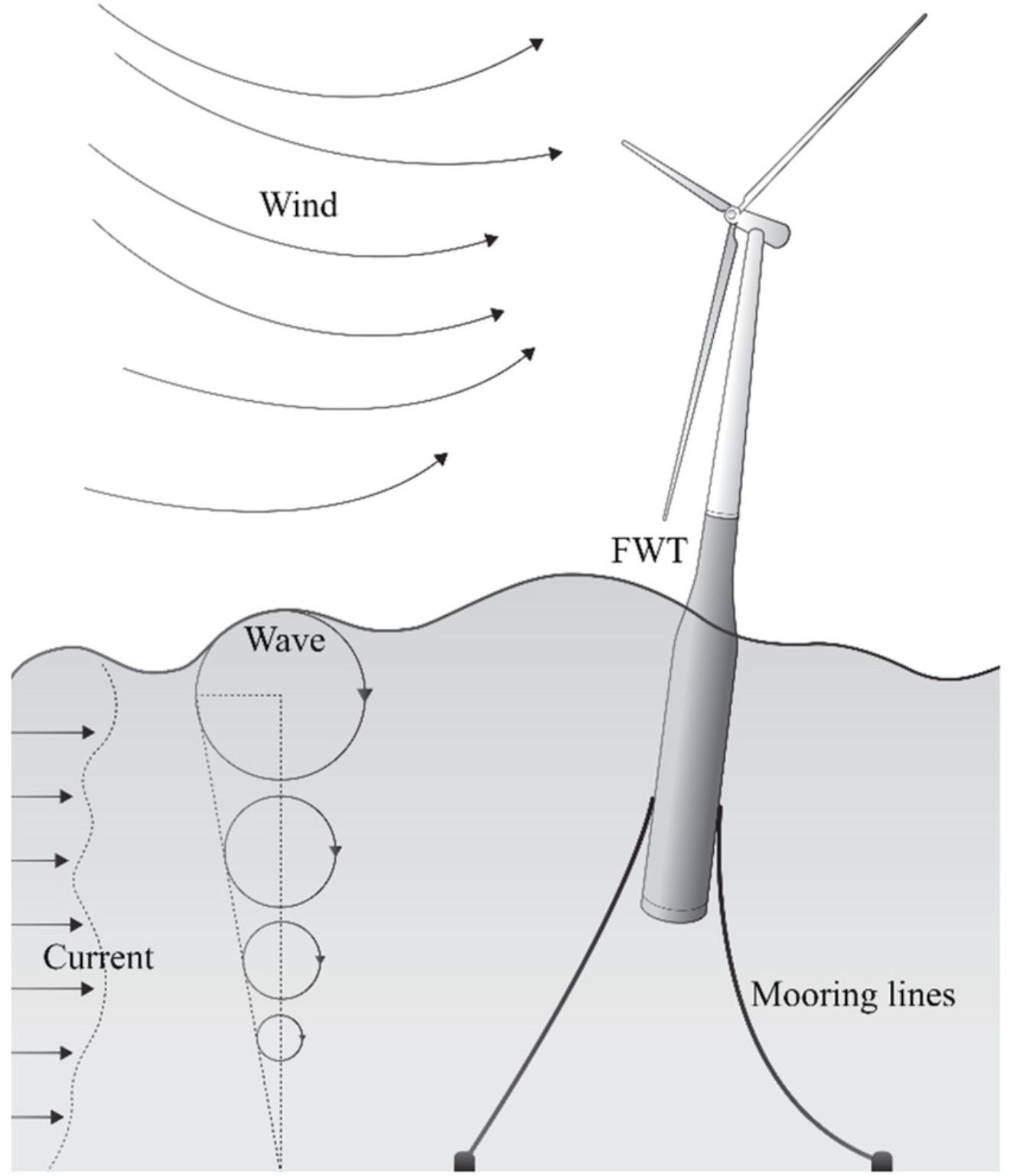
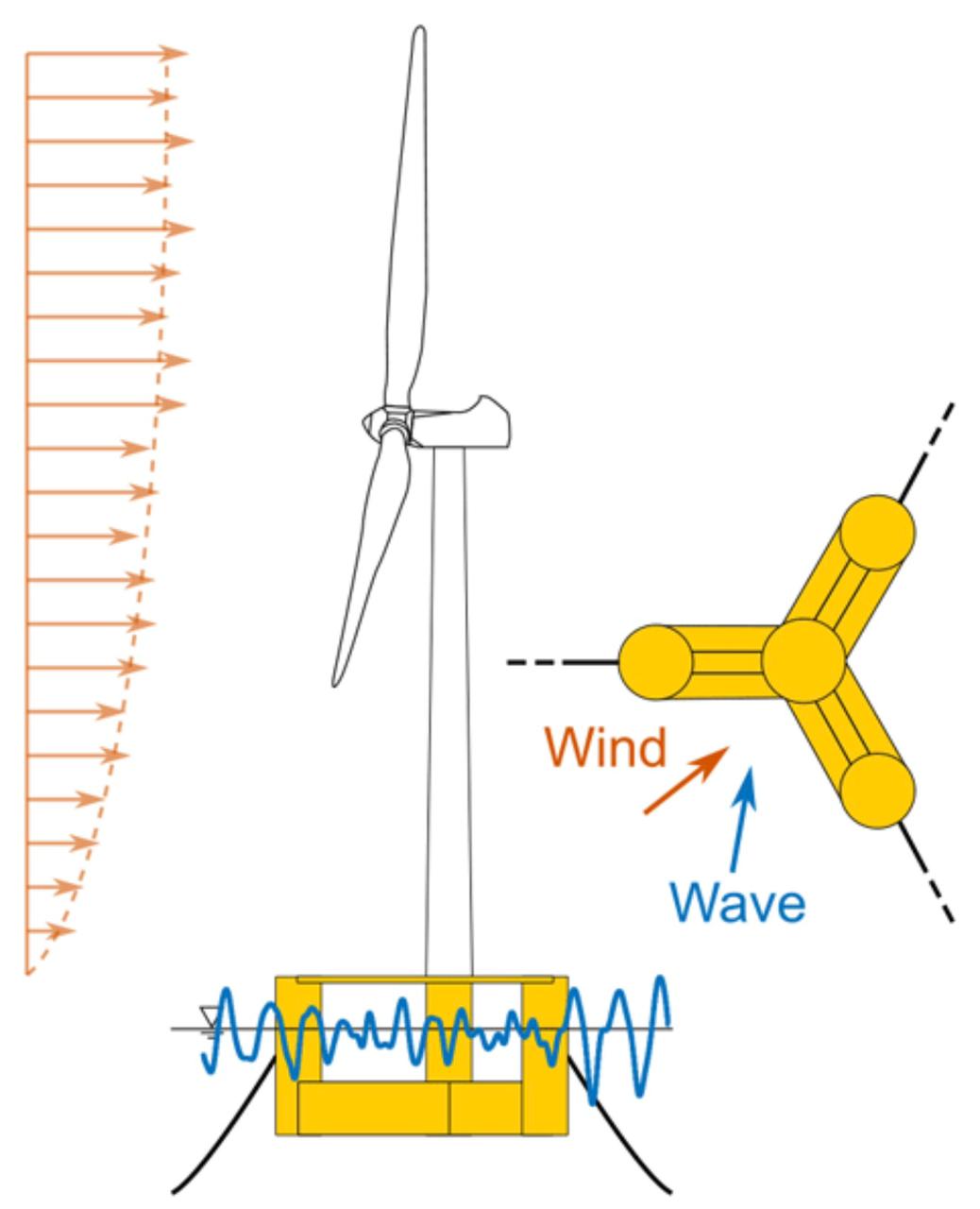
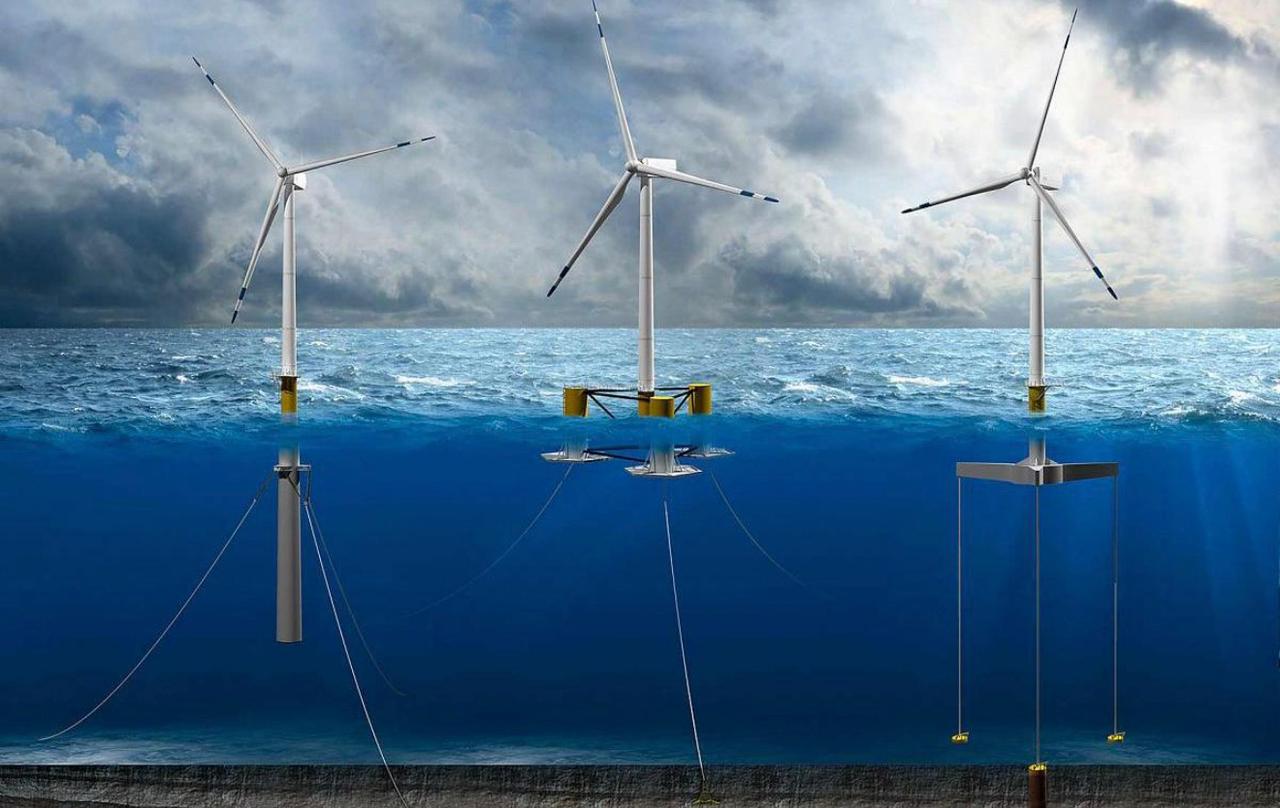
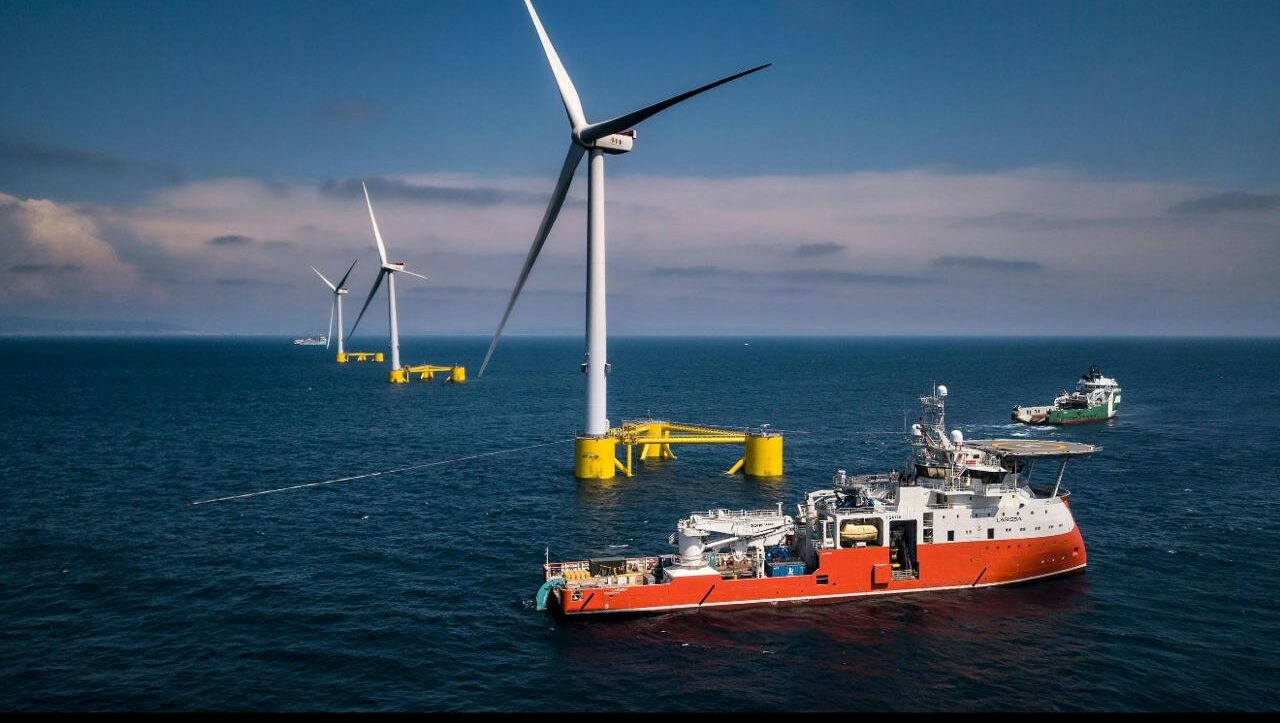
Floating offshore wind turbines largely inherit nacelle-top architectures originally developed for fixed-bottom foundations.


As turbine ratings advance into the +20MW class, mass concentration at the tower top becomes increasingly consequential in floating environments.

This dynamic influences:
Platform structural demand
Mooring load envelopes
Dynamic response behavior
Fatigue accumulation
Long-term O&M strategy
Economic scalability at project level

In deep-water systems, structural architecture becomes a first-order design variable — not merely a component configuration.

Architectural Platform

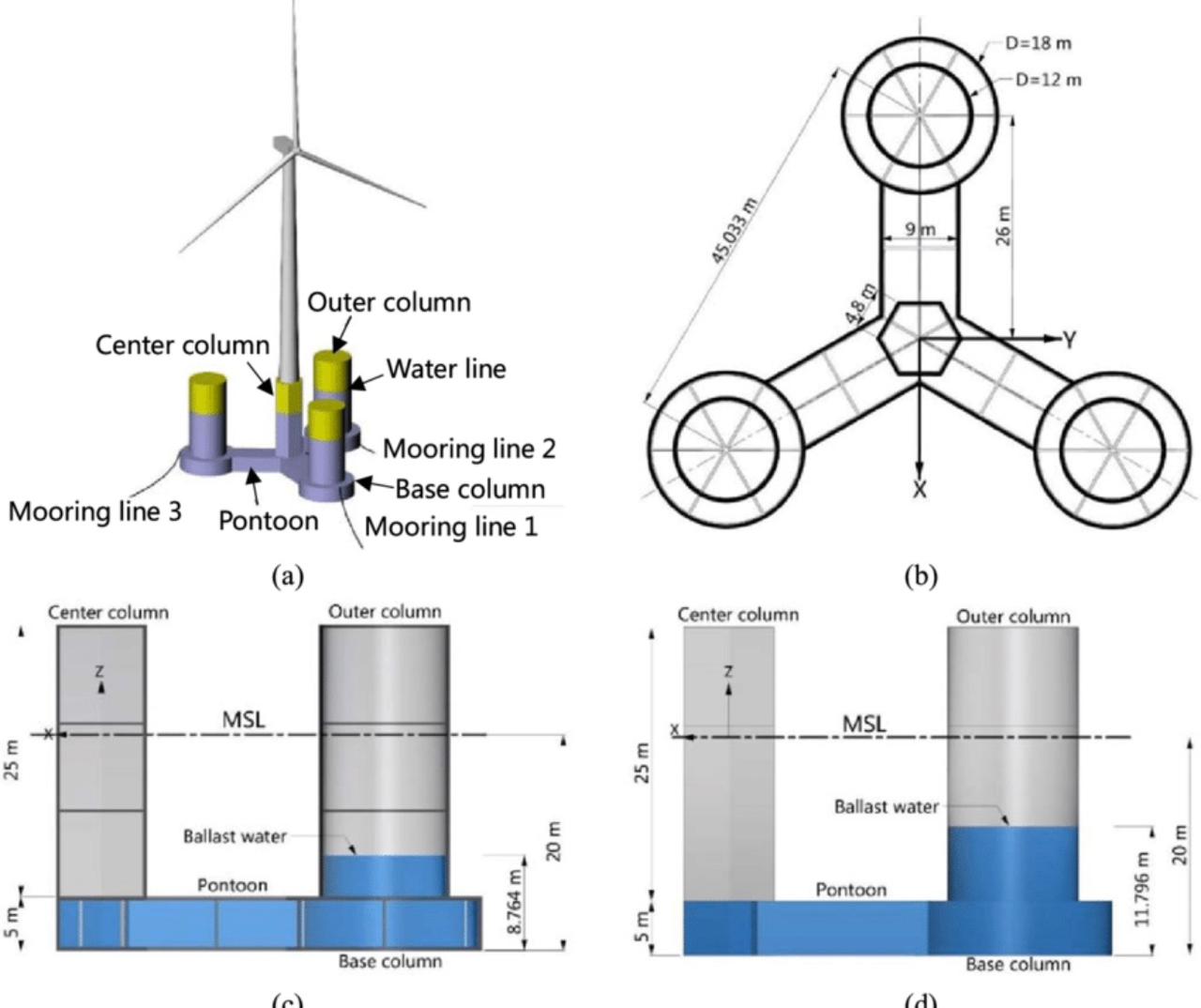
Embrevel is developing a patent-protected structural configuration conceived specifically for floating offshore applications in the +20MW turbine class.

The platform introduces:

Rebalanced system-level mass distribution

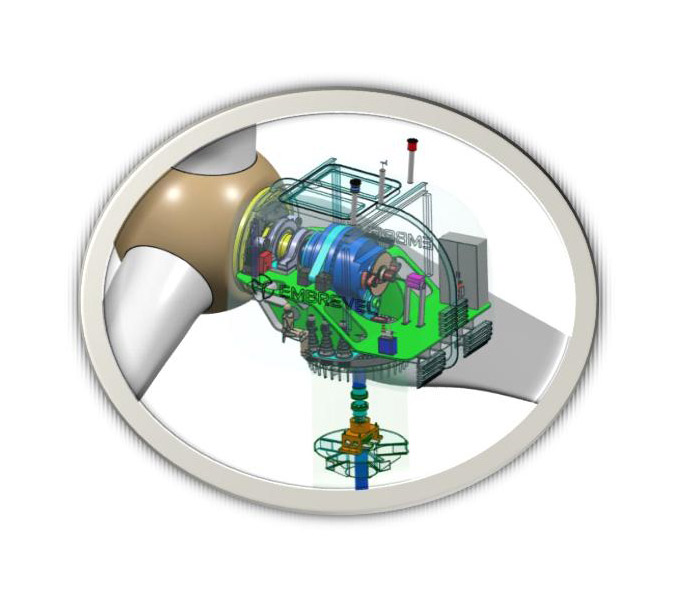
A proprietary mechanical transmission architecture

Structural load redistribution across the floating system

Industrial compatibility with existing manufacturing ecosystems

This is not an incremental refinement. It is system-level structural optimization designed for scalable deep-water deployment.

Value Impact

Structural efficiency optimization at platform level
Enhanced scalability toward +20MW deployments
Improved dynamic stability in floating conditions
Potential reduction in structural reinforcement requirements
Lower long-term fatigue and O&M risk exposure
Alignment with asset integrity and lifecycle management strategies
Capital efficiency leverage at project scale
Potential positive influence on risk-adjusted metrics, including IRR and long-term ROI

Floating offshore wind economics are highly sensitive to structural mass distribution, dynamic load behavior and lifecycle risk exposure.

By addressing these parameters at system level, the architectural platform is designed to strengthen project fundamentals, enhance capital deployment efficiency and improve long-term return stability over asset lifetime.

Integration-ready architecture aligned with established offshore supply chains
Compatibility with tower, drivetrain, electrical, floating platform and mooring systems
Potential demand expansion in +20MW component categories
Early participation in next-generation structural platform development
Reduced integration uncertainty through structured collaborative validation

The approach is collaborative — not disruptive — enabling coordinated scaling across the offshore wind industrial ecosystem.

Architecture-level leverage applied at full system scale
Exposure to structural optimization within the +20MW class inflection cycle
Potential influence on project-level capital efficiency
Platform-oriented value creation beyond component-level innovation
Alignment with long-term deep-water market expansion
Multiple commercialization pathways (licensing, industrial partnership, strategic integration)
Structured TRL-based development roadmap with risk mapping

Floating offshore wind remains early in its structural evolution. As floating offshore wind scales beyond 20MW, structural architecture increasingly becomes a determinant of economic performance. Positioning at this layer enables scalable value leverage aligned with industrial deployment cycles.

Development & Validation

Embrevel operates under a staged engineering and validation framework aligned with international certification principles.

Completed

System-level structural synthesis modelling and load analysis
Architectural definition and configuration freeze (concept phase)
Drivetrain concept validation
Power system synthesis and preliminary performance analysis
Preliminary technical feasibility assessment
International patent filings

Ongoing

Integrated aero-hydro-servo-elastic simulations
Mechanical transmission refinement
Certification pathway structuring
Industrial integration assessment
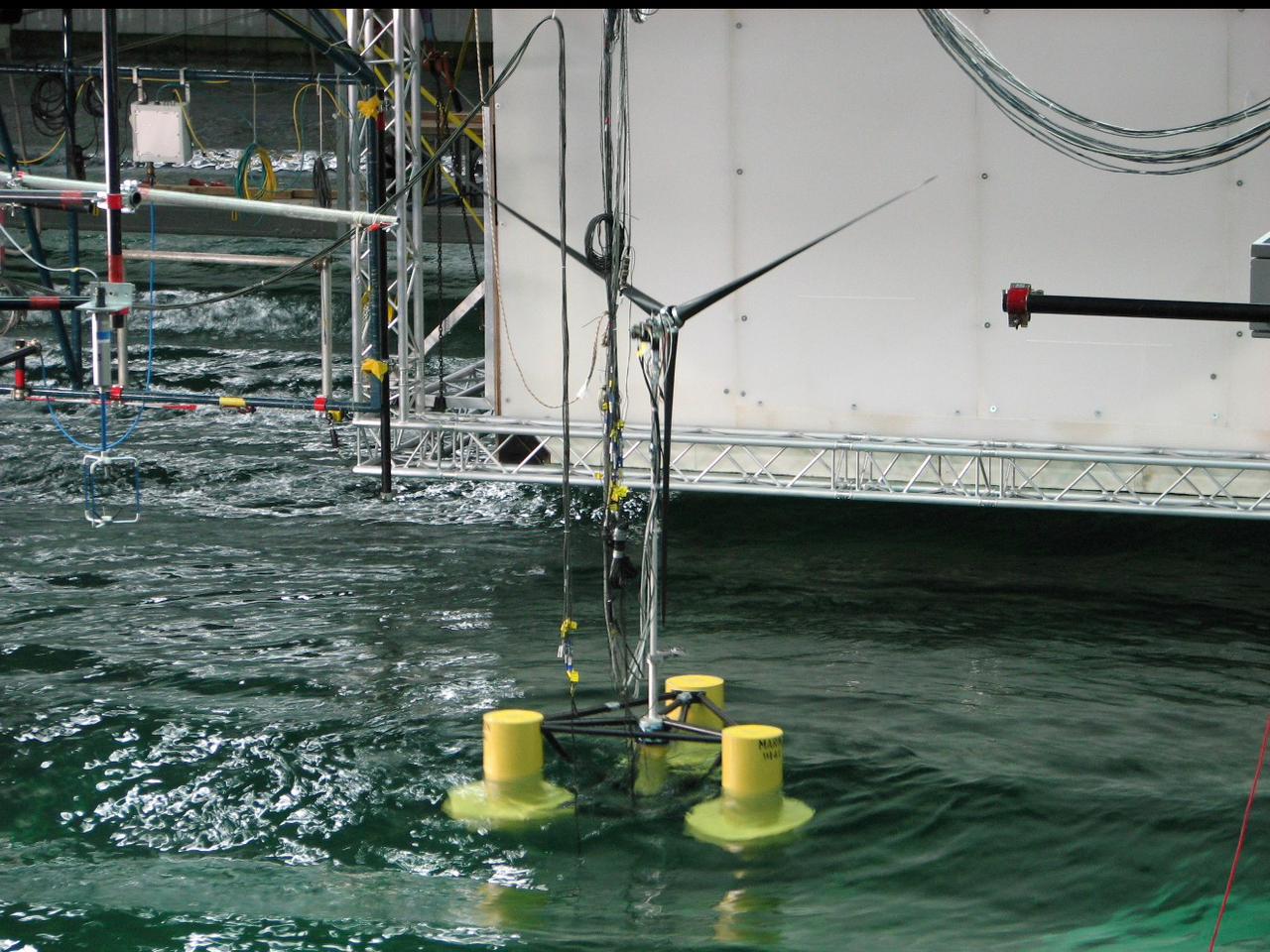
Laboratory-scale prototype development
Cast-iron bedplate and yaw system engineering

The development roadmap is structured for progressive TRL advancement toward pilot deployment readiness.

Industrial Integration

The architecture is conceived for integration within established offshore wind ecosystems, including:

Tower manufacturing
Drivetrain systems
Electrical generation systems
Floating platform fabrication
Mooring systems
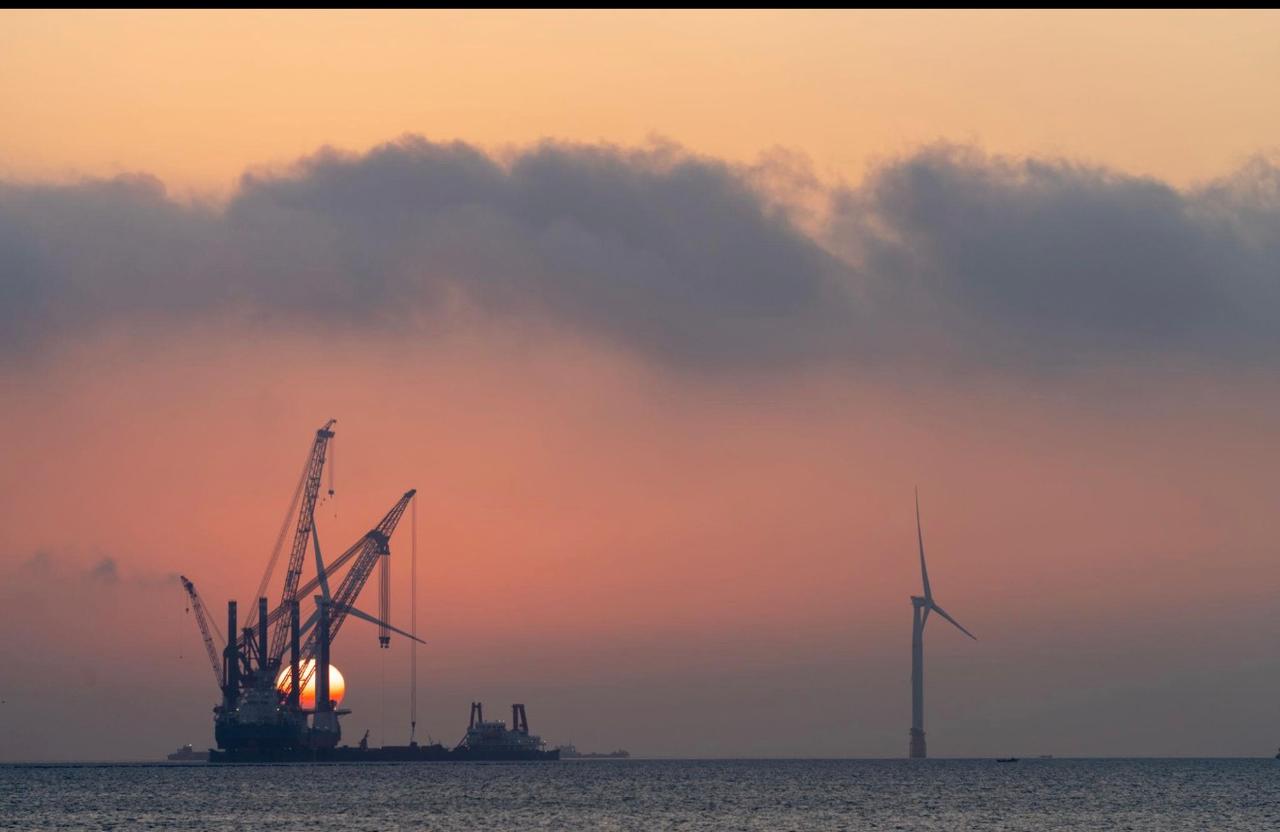
Offshore installation logistics

The structural reconfiguration enables greater flexibility in electrical system design — particularly in floating environments where mass distribution directly influences generator configuration. This structural flexibility supports durability and lifecycle performance.

Embrevel prioritizes industrial compatibility while preserving innovation potential across drivetrain and electrical subsystems.

By relocating critical mass closer to the base structure, the platform may enable alternative generator architectures, including:

More robust configurations
Weight-tolerant solutions
Potential rare-earth-independent generators

Intellectual Property

The core structural architecture is protected under international patent filings.

Embrevel’s intellectual property strategy is structured to ensure:

Breakthrough structural innovation requires disciplined validation and disciplined protection.

Company

Embrevel is an engineering-led company dedicated exclusively to structural innovation and system integration for floating offshore wind. The company was founded on the premise that structural architecture will define the next inflection cycle of floating offshore wind — particularly as turbine ratings advance beyond 20MW.

Vision

To enable structurally optimized, scalable deep-water wind systems capable of supporting the next generation of global offshore energy infrastructure.

We believe floating offshore wind requires native architectural rethinking — not incremental adaptation.

Mission

To develop and validate a patent-protected structural platform designed specifically for +20MW floating applications, aligned with industrial manufacturing ecosystems and long-term asset integrity.

Core Principles
Engineering discipline over marketing claims
System-level optimization over component-level adjustment
Industrial compatibility over technological isolation
Long-term structural resilience over short-term performance metrics
Controlled technical progression through staged TRL advancement

Embrevel operates with a long-term industrial vision while preserving strategic optionality for commercialization pathways including licensing, industrial partnership and structured integration.

Strategic Engagement

Embrevel engages selectively with:

Offshore wind developers
Industrial OEMs
Component manufacturers
Certification
bodies
Strategic and industrial investors

All technical dialogue is conducted within structured evaluation frameworks, ensuring clarity, confidentiality and disciplined progression

Contact

    Pedro Poletto

    Tem mais de 17 anos de experiência no mercado imobiliário corporativo e atuou nas 2 maiores líderes mundiais de consultorias de Real Estate, tendo trabalhado 6 anos na CBRE e 5 anos na Cushman & Wakefield. Poletto é formado em administração de empresas pelo Insper-SP, e tem MBA em Real Estate pela POLI-USP. Tem ampla experiência no desenvolvimento de empreendimentos corporativos de alto padrão, condomínios logísticos e industriais, comerciais; tendo também atuado em grandes transações com empresas nacionais e multinacionais. Poletto estabeleceu relacionamentos com os maiores grupos imobiliários do Brasil e de fora, e tem auxiliado empresas nas instalações de suas novas unidades, venda de ativos, expansão de operações, "site selection", entre outros trabalhos.

    Marcelo Martinelli

    Formado pelo Insper em 2004 e com MBA em Finanças pela FIA, possui sólida experiência de 20 anos atuando nas áreas Imobiliária, Financeira e de Expansão em empresas dos segmentos Varejista e Real Estate, com foco em Shopping Centers, Strip Malls e Telecom. Ao longo de sua trajetória, esteve diretamente envolvido na prospecção de terrenos e na elaboração de estudos de viabilidade econômico-financeira para implantação de lojas, centros de distribuição e empreendimentos comerciais. Acumula também ampla vivência na administração de shopping centers, com atuação em comercialização de lojas, gestão de contratos e administração condominial. Mantém relacionamento próximo com os principais varejistas do Brasil e possui expertise na gestão de ativos imobiliários, bem como na administração e renegociação de contratos de locação.

    Adriana Seibert

    Formada em Propaganda e Marketing, com especialização em San Diego (EUA) e MBA em Gestão de Vendas pela FGV, possui mais de 20 anos de experiência nas áreas de marketing, planejamento estratégico e publicidade. Ao longo de sua carreira, participou de campanhas marcantes, incluindo o lançamento de produtos inovadores como o aparelho de DVD, além de trazer ao mercado nacional os clássicos do cinema e séries de TV da Warner Bros. em DVD. Também atuou com licenciamento de personagens infantis e marcas esportivas, consolidando seu know-how em branding e estratégias comerciais. Atualmente, lidera a Connection com foco em resultados, direcionando a empresa com objetividade e estratégias assertivas para alcançar suas metas.

    Natalia Seibert

    Formada em design gráfico e Marketing digital, possui vasta experiência no mercado de entretenimento. Atuou no Parque O Mundo da Xuxa e por 6 anos foi responsável pela área de criação e comunicação e marketing digital da Rádio Transamérica, do trabalho nas redes sociais, relacionamento com anunciantes e eventos artísticos. Agora na Connection traz esse olhar de beleza e delicadeza para a empresa e para o mercado imobiliário!